Book recommendation #2765 (this one's for the gamers): “Jaz” Rignall’s The Games of a Lifetime.
If you're in your 50s, and not altogether alien to the gaming world, you may recognize “Jaz” Rignall as the legendary editor of ZZap!64, arguably the most famous computer gaming magazine of the era in the UK. Jaz calls his book “a meandering, almost five-decade-long journey through my gaming life”. It is a collage of gaming memories with his fingerprints all over them, especially the early years when gaming was treated like a minor social illness and he was joyfully effervescent about it. He writes about “the tabloid press and politicians who felt that video games were a corrupting influence on the nation’s youth”, which was a pretty common mood back then.
In Greece, when I was growing up, the message was pretty much the same: “stop wasting your time and go study", while many adults spent hour upon hour passively staring at the TV screen. I think kids gravitated to games because they were making narrative choices. It was active, not passive. It felt like a secret underground railway into the fantastic. Fast forward a few decades and that obscure “waste of time” hobby is now mainstream and wildly profitable, with estimates putting global games revenue at roughly $184B versus about $26B for the global box office.
For me, Jaz's book detonates memories somewhere in Greece, roughly early 80s through early 90s. My first arcade experiences in the town of Lavrio in southeast Attica (famous for its silver mines in ancient times) during summer holidays, where my grandad would sometimes take me to feed coins to Space Invaders, Pac-Man, and later Street Fighter II. The air was thick with cigarette smoke and testosterone-filled language from the young males with the 80s haircuts that would frequent that joint. But I was a kid fascinated by the sounds, and the patterns, and the colours, and those older lads never really bothered me.
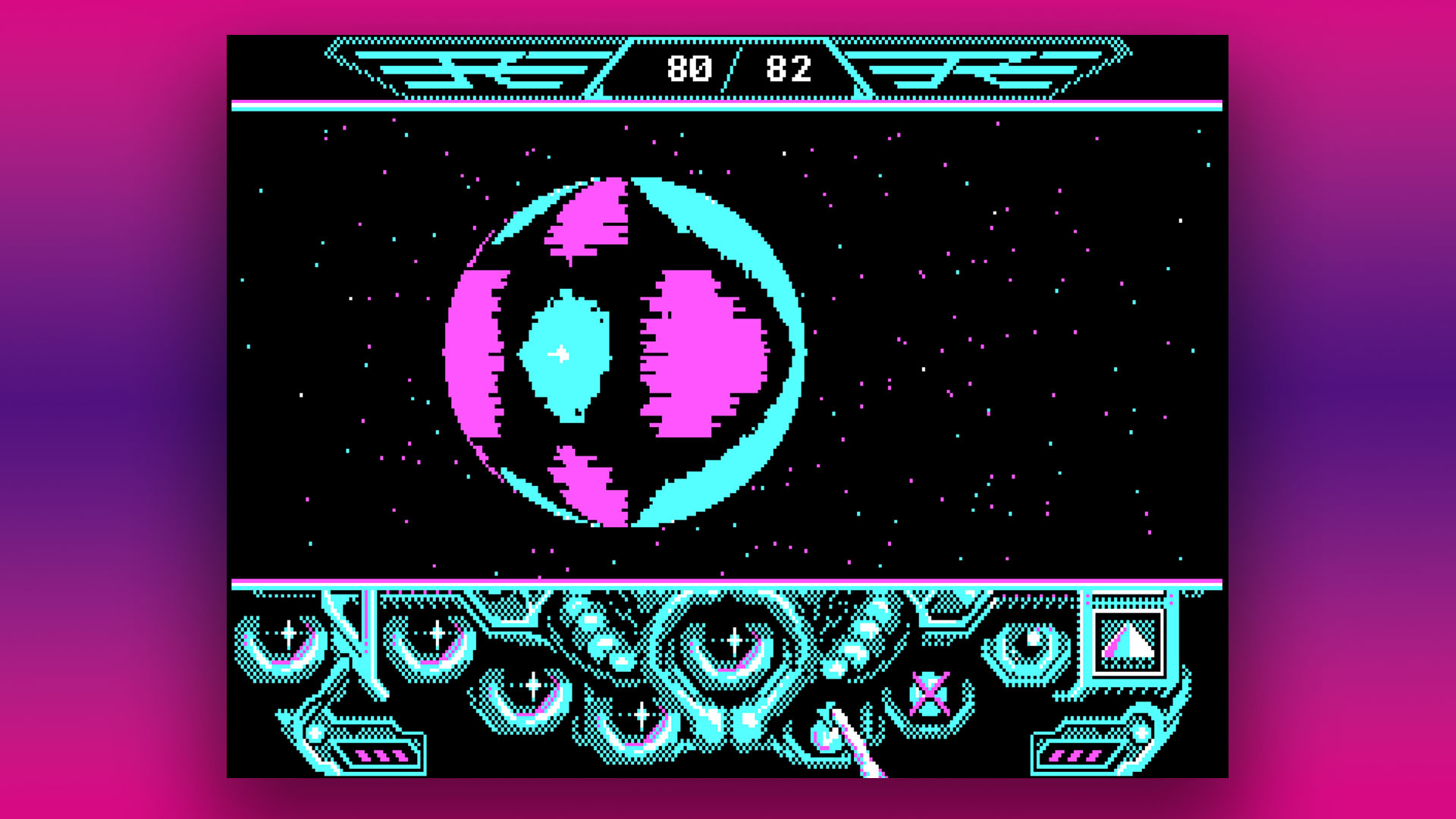
At home, my first handheld was a Nintendo Game & Watch, probably some barrel-tossing Donkey Kong variant, which I'd borrowed from a friend. It looked like a shadow theatre you could hold in your hands. A few years later I got my first computer, an Atari 800XL, learned my first BASIC, and then waited patiently twenty to thirty minutes for cassette games to load (alas, even this failed to prepare me for the horrors of Greek bureaucracy). Some friends had the far cooler Commodore 64, or an Amstrad CPC with that iconic green-and-black glow and 3-inch floppies that loaded games like magic. I got my first 4-colour CGA PC in the mid 80s and moved to 16-colour EGA around 1989. I’d open the case and stare at how the parts fit together, which gradually turned into a lifelong habit of building my own rigs.
Games arrived irregularly through swaps with friends and pirated copies from older teenagers who’d mastered the dark arts of cracking copy protection. By my mid-to-late teens, once I’d scraped together enough savings, I’d go downtown to buy originals in those glorious big boxes with the amazing cover art. The Greek computer magazine PIXEL was my standard go-to reference, and finding copies of ZZap!64 in Athens felt like spotting an exotic bird.
Up to that point, I enjoyed playing games, but I think the fascination was still only skin-deep. My personal revelation and conversion moment came when I first encountered King’s Quest IV in a friend’s house. There was no rushed pushing of buttons, no flashing lights and rapid movements. It was quiet, almost like a stage. An unremarkable pixellated character waiting there patiently, and underneath, a prompt to enter text. Suddenly, I understood that the game expected you to communicate with it. It wasn’t about flashy graphics or good reflexes; it was about solving puzzles to move the story forward. You’d enter a few words, and the game would give you feedback about the environment and ways to interact with it: “You bend down to pick up a small golden ball.” It was the beginning of the era of adventure games (a genre that came and went), and it involved a lot of typing and experimenting with ideas. I started keeping a thick English-to-Greek dictionary on my desk, while these games expanded my vocabulary one obscure word at a time: “What the hell is an uvula, and why would I want to tickle it with a feather?”
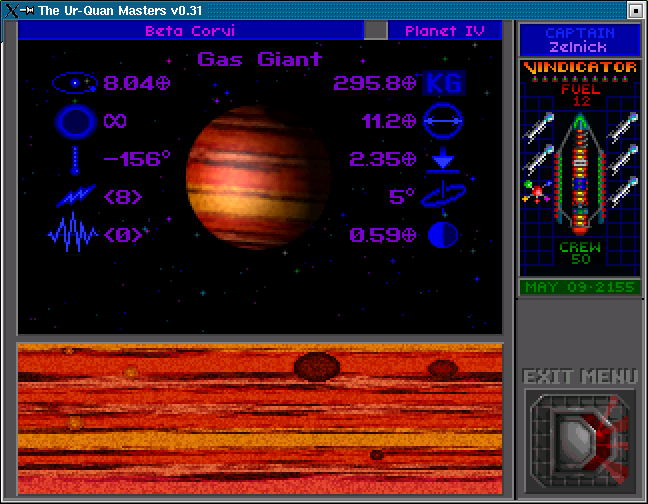
Jaz writes in the book that he was very competitive. I never really was. I was fascinated by puzzles, complex storytelling, secrets, exploration, and the weird joy of making a world reveal itself. Quest for Glory, Conquests of Camelot, Space Quest 3, EcoQuest (which I played during summer in short bursts before I went snorkelling in the Aegean), Monkey Island and Indiana Jones and the Fate of Atlantis (still my favourite Indy story), plus the slow-burn strategy games like Civilization, Populous, and the TSR gold boxes (my introduction to RPGs). Learn while you play. I also enjoyed flight simulators: the clunky glory of piloting an F15 Strike Eagle on the Atari to the sleeker space-flight combat manoeuvres in Wing Commander. I also fondly remember the cosmic space-opera storytelling of Star Control II, which had giant planets parked close to their host stars before astronomers confirmed hot Jupiters were a thing. Art inspiring science and science inspiring art.
At some point the internet started becoming a thing, and we got clunky dial-up multiplayer where someone in the house picks up the phone and your game ends instantly, while you slide down the rankings unceremoniously. In 2004, World of Warcraft hit the shelves and became, by far, the best online community gaming experience I’ve ever had.
Jaz writes somewhere: “As far as I’m concerned, video games are most certainly art. And like all art, they are highly subjective.” There are a lot of crap games out there, to be sure, but there are also plenty of masterpieces that will stand the test of time and still be talked about far into the future, as the industry matures and becomes ever more culturally relevant.
I’ll close this semi-coherent trip down memory lane by saying that Bitmap Books continues doing fantastically good work preserving gaming history. Their CRPG book and The Art of Point and Click are also excellent companions if you like this sort of gaming archaeology.